
Hiring Tattoo Artists: How to Vet, Trial, and Onboard
Hiring Tattoo Artists: How to Vet, Trial, and Onboard
Hiring is the highest-leverage thing a shop owner does and the thing most owners do on instinct. Somebody good walks in, the portfolio looks strong, there is an open station, and three months later the seat is empty again and you are back to covering walk-ins yourself.
A good artist is not the same thing as a good hire. Here is a process that separates the two: how to read a portfolio, the questions that actually predict retention, a two-week trial that is fair to both sides, and an onboarding day that makes people want to stay.
Portfolio reads vs. shop fit
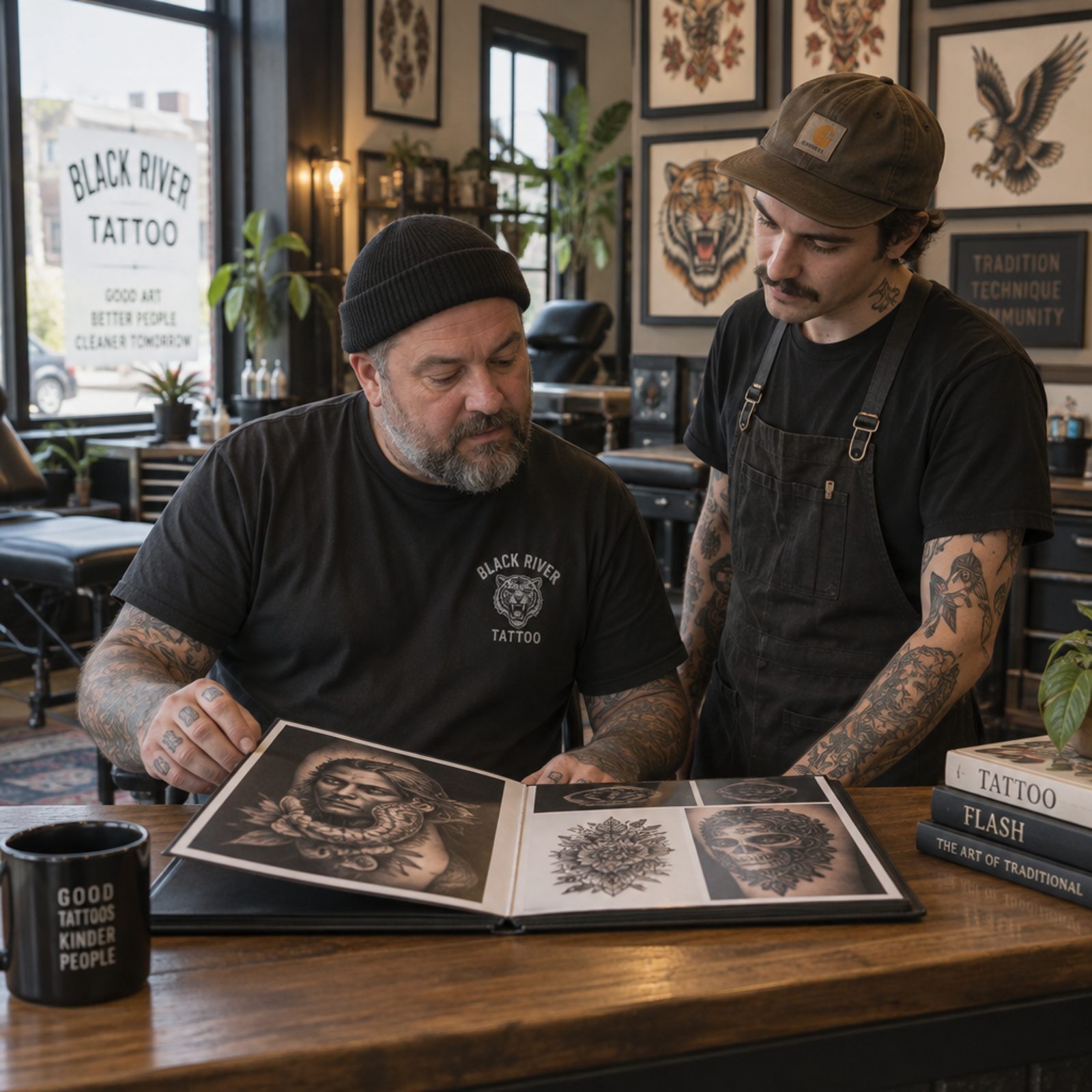
A portfolio tells you what someone can do on their best day. What you need to know is what they do on an average Tuesday. Ask for healed work, not just fresh photos — healed lines are where technique shows. Ask for the last ten pieces in order instead of the greatest hits, because consistency is the thing that keeps your books full.
Then read for fit. If your shop is walk-in heavy and traditional and their book is all nine-hour realism, that is not a flaw in either of you; it is a scheduling problem you will both resent in a month.
Questions that predict retention
Skip “where do you see yourself in five years.” These four tell you more:
“Walk me through how you price a piece.” You learn whether they think about money at all, and whether their numbers will clash with your pricing. If you have not set the shop standard yet, start with hourly vs. flat rate pricing.
“How do you handle a client who ghosts?” Their answer shows you whether they will follow your deposit and cancellation rules or quietly run their own. Yours should already be written down — see how to cut no-shows without being the bad guy.
“Why did you leave your last shop?” Listen for money and payouts, not personalities. Artists leave over how and when they get paid far more often than over the walls.
“What do you need from a shop to do your best work?” If you cannot provide the answer, do not hire them and hope.
Structuring a two-week trial
Written terms, fixed length, real work. Two weeks, agreed days, the same split or booth rent everyone else is on, and a short list of what you are evaluating: cleanliness and station setup, how they talk to clients at the counter, how they handle a consult that turns into a no, punctuality, and whether the healed results match the book.
Put it in writing even for two weeks, and be explicit about who owns the client. A trial that ends with a dispute over whose customer that was is worse than no trial at all. Confirm your state's licensing and bloodborne-pathogen requirements before anyone touches a client in your shop, and keep copies on file.
Day-one onboarding checklist
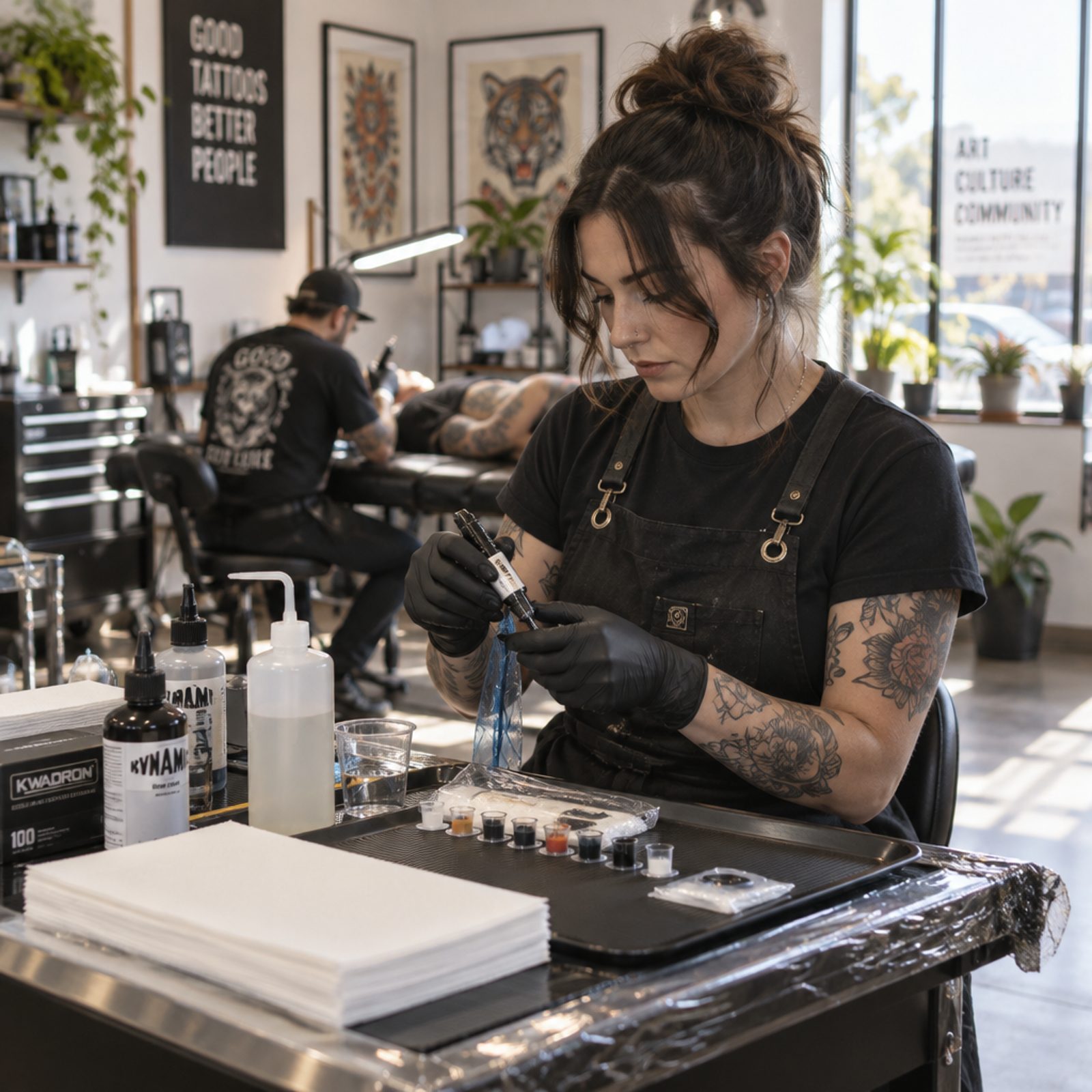
Six things, done the first morning: license and insurance copies on file; signed agreement with the split, the schedule, and the client-ownership language; station assigned and stocked; booking access set up with your rules for deposits and lead time; the shop's policies handed over on one page; and payouts configured so the first payment lands on time without anyone asking.
That last one is the one shops fumble. A new artist's first payout being late or wrong is the single fastest way to make them start answering DMs from other shops.
Paying them right from week one
Retention is mostly an operations story: predictable schedules, predictable payouts, and no surprises about what comes out of a ticket. Whether you run booth rent or commission changes the math on all of it — the comparison is in booth rent vs. commission, and the payment side is in the hidden factor in artist retention.
Make the shop worth staying at
Good artists compare offers. Revify's dual pricing keeps your posted price as the card price, and our Monthly Cash-back program pays the shop back 0.75% of card sales every month — money you can put into stations, supplies, or splits instead of fees. Setup is same-day and there is no contract.

