
What We Heard From Shop Owners at Cigar City Tattoo Fest
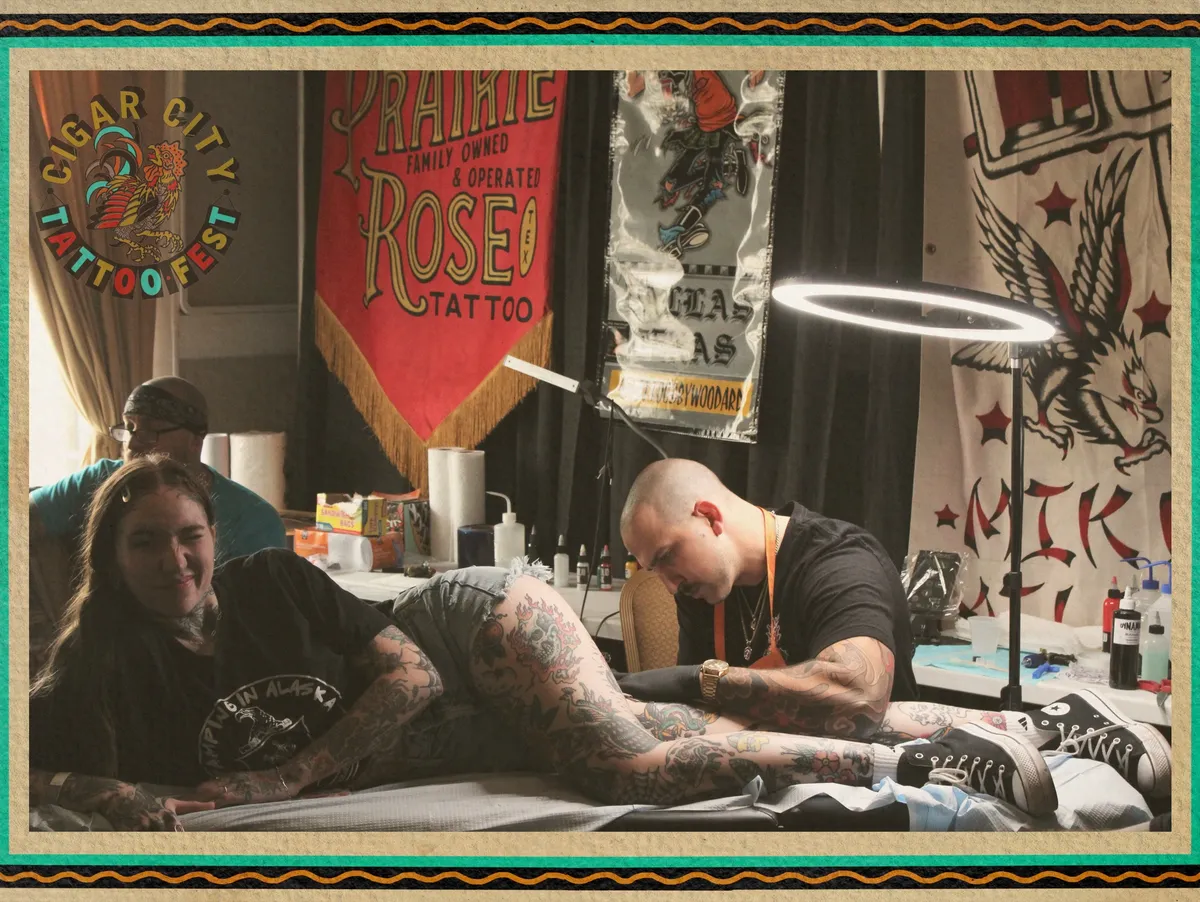
We talked to a lot of shop owners at Cigar City Tattoo Fest. Different cities, different sizes, different styles — but the same frustrations kept coming up, almost word for word.
Here's what we heard, and why it matters.
"We use Square. It works fine — but we know it's expensive."
This was the most common thing we heard. Shop owners weren't unhappy with their setup. Square works. It's familiar, it's reliable, and it gets the job done. But when we asked if they knew exactly what they were paying in fees every month, most didn't have a number. They just knew it was a lot.
When we sat down and actually ran the math — what 2.6% + 10¢ per tap, or 3.5% + 15¢ per keyed-in transaction looks like across a full month of bookings — the reaction was almost always the same. A pause, then something like "Yeah, that's way more than I thought." Square doesn't hide its rates, but most owners had never totaled up the real annual cost. Once they saw it, the conversation changed fast.
"We've just accepted it as part of the business."
This one hit hard. Shop after shop told us the same thing: they'd never been shown another way, so they assumed there wasn't one. Processing fees were just a tax on doing business — annoying but unavoidable, like rent or ink costs.
The reality is that this isn't a fixed cost. It's a choice. Most shop owners just didn't know they had one.
"We don't want to complicate things for our clients."
Shop owners care about the client experience — deeply. The idea of changing anything at checkout made some of them uneasy at first. Nobody wants an awkward conversation at the register after a great session.
What changed the conversation was learning that a transparent, compliant pricing model actually simplifies checkout rather than complicating it. Clients see exactly what they're paying and why. No hidden fees, no confusion. The shops already using this approach told us their clients barely blink at it — because transparency is what people expect now.
"We want to keep more, but we don't want to raise prices."
This was the tension almost every owner was sitting with. They knew they were losing margin, but raising base prices felt like the wrong move — especially in a competitive market where clients comparison-shop. It felt like a lose-lose.
When they realized there's a way to eliminate out-of-pocket processing costs without touching their base pricing, the whole conversation shifted. It wasn't about charging more. It was about keeping what they'd already earned.
Where Revify Came In
Most payment processors pitch "lower rates." Revify doesn't. It's a fundamentally different model: the shop pays 0% in processing fees, the processing cost is covered transparently by the customer, the studio keeps its full listed price, shops earn monthly rebates based on card volume, and there's no upfront equipment cost with free terminal options available.
For a lot of the owners we spoke with, this wasn't a marginal improvement. It was the first time someone showed them a payment structure that actually made sense for how tattoo shops operate.
What Actually Resonated
More than the numbers, more than the features, what landed with shop owners was the idea of alignment — a system where their effort isn't penalized by higher fees, where growth doesn't automatically mean higher costs, and where the payment structure finally works with their business instead of against it.
We weren't selling a product at Cigar City. We were showing a different way to think about something these owners deal with every single day. And for a lot of them, that conversation was long overdue. See how Revify works for your shop.
See what your shop would keep
Revify is payment processing built for tattoo studios: a cash price and a card price, no processing fees, a free terminal, and Monthly Cash-back of 0.75% of card sales.
Run your numbers in the savings calculator or see how it works for tattoo shops and artists.

